
Best Time to Schedule Your Furnace Replacement Before the Fall Rush
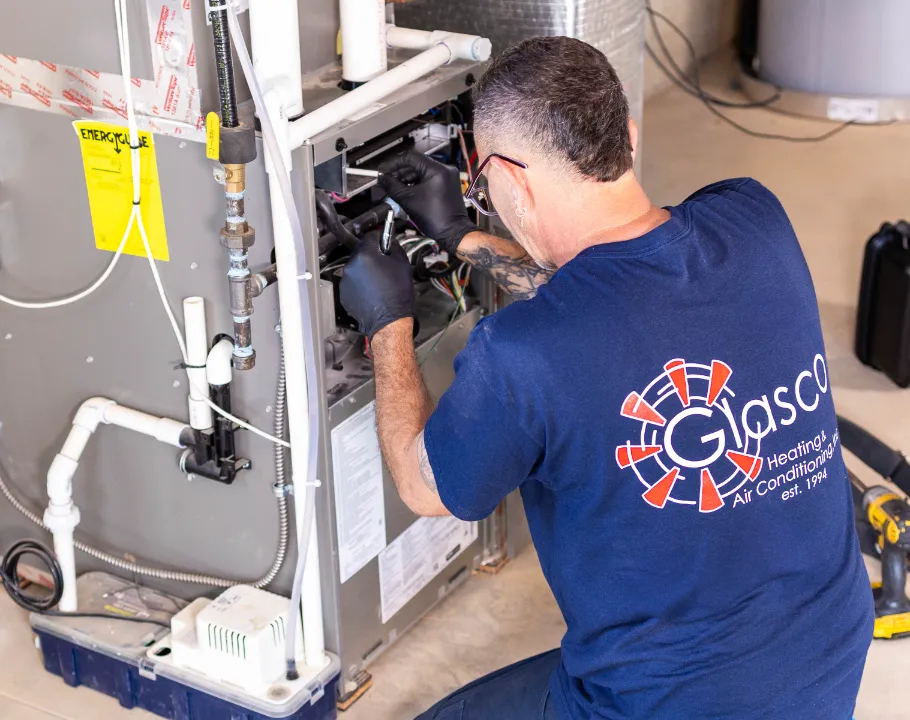
Identifying the best time to schedule your furnace replacement helps Connecticut homeowners avoid long service delays before cold weather arrives. According to data from the U.S. Department of Energy, gas furnaces have an average lifespan of 15 to 20 years. Planning a replacement during late summer or early autumn ensures your home stays warm without waiting for busy service schedules. Homeowners in Hartford County often face multi-day wait times if they delay until temperatures drop below freezing. Early planning allows technicians to inspect heating systems before heavy winter use begins.
The Best Time to Schedule Your Furnace Replacement
Off-Peak Scheduling Flexibility
Booking a replacement project in late summer or early autumn gives homeowners greater flexibility. Industry data shows that HVAC emergency call volume can increase by 200% to 300% during peak seasonal weather events. Contractors experience rapid schedule shifts during these busy weeks as a result. By booking early, you avoid competing for appointment slots with emergency service requests. Glasco Heating & Air Conditioning Inc. works with property owners across South Windsor to establish convenient installation dates.
Preventing Sudden Winter Failures
An aging heating unit is most likely to fail during the year’s first severe cold freeze, when operating an outdated unit under maximum load strains worn components. Replacing your system before severe winter weather significantly reduces the risk of a mid-winter breakdown. Early installation also allows installers to test airflow and calibrate controls before temperature drops put the unit to the test.
Recognizing When to Repair or Replace Your Heating System
Comparing Repair Costs Against System Lifespan
Deciding between system repair and equipment replacement depends on age and repair expenses. HVAC industry guidelines recommend replacement when a single repair costs 50% or more of a new unit’s value, or when a system exceeds 15 years of age. Frequent service calls for ignition failure, cracked heat exchangers, or failing motors quickly accumulate. Replacing an old furnace can lower annual energy bills by up to 30%, consistent with ENERGY STAR efficiency data.
Evaluating Heating Alternatives
Homeowners can evaluate several heating technologies based on layout and fuel access. Modern high-efficiency gas furnaces offer AFUE ratings above 95%, while ductless mini-splits and cold-climate heat pumps provide flexible electric heating and cooling options. A home with existing ductwork usually benefits most from direct furnace replacement, while properties lacking ductwork may find heat pumps or mini-split units more practical.
Uneven Heating and Airflow Loss
Cold rooms and uneven airflow signal declining system capacity. Blower motor degradation and clogged internal passages reduce comfort across living spaces. When certain areas remain cold while others overheat, evaluating equipment age becomes essential for maintaining balanced indoor temperatures.
What to Expect During Equipment Replacement
Comprehensive Home Walkthrough
A proper system installation begins with a detailed home walkthrough. Licensed technicians assess house layout, square footage, air duct condition, and insulation levels, then use Manual J load calculations to determine the exact heating requirements of your space. Installing an oversized or undersized unit reduces efficiency and shortens equipment life. Glasco Heating & Air Conditioning Inc. evaluates existing infrastructure for homes in Tolland County and Windham County.
Site Preparation and System Removal
Clearing the area around your mechanical space speeds up system installation. Removing personal items from around the heating equipment gives technicians clear access. Installers safely disconnect fuel lines, electrical connections, and exhaust venting, and the old unit is then removed and disposed of according to local disposal guidelines.
Professional Installation and Calibration
Technicians position the new heating unit, secure duct connections, and align exhaust piping. Technicians connect electrical wiring and fuel lines according to manufacturer specifications. System testing verifies proper combustion, air pressure, and thermostat communication before completing the job.
Key Timing Factors for Replacement Decisions
Seasonal Equipment Availability
HVAC distributors maintain full inventory levels during late summer and early fall. Ordering replacement equipment early avoids backorder delays for specialized models or high-efficiency units. Homeowners who wait until mid-winter may face limited unit choices or longer delivery timelines.
Utility Rebates and Financial Incentives
Planning early gives homeowners time to research local utility rebates and federal tax credits. Many energy efficiency programs in Connecticut offer financial incentives for installing high-efficiency heating systems. Completing paperwork before the heating season helps maximize eligible savings.
Planning Heating Services in Connecticut
Homeowners across Hartford County, Litchfield County, Middlesex County, New London County, Tolland County, and Windham County can prepare for winter by evaluating system needs early. Established in 1994, Glasco Heating & Air Conditioning Inc. provides technical assessments and licensed heating installation services. Contacting licensed professionals in early autumn helps secure preferred installation dates before cold weather arrives.